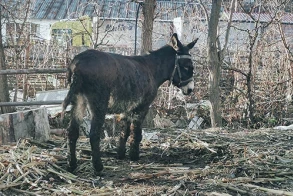
We meet the beautiful female dog during one of our previous neutering campaigns.
OPHELIA
05 September 2026
The Shakespearean character had worse fate than her dog namesake
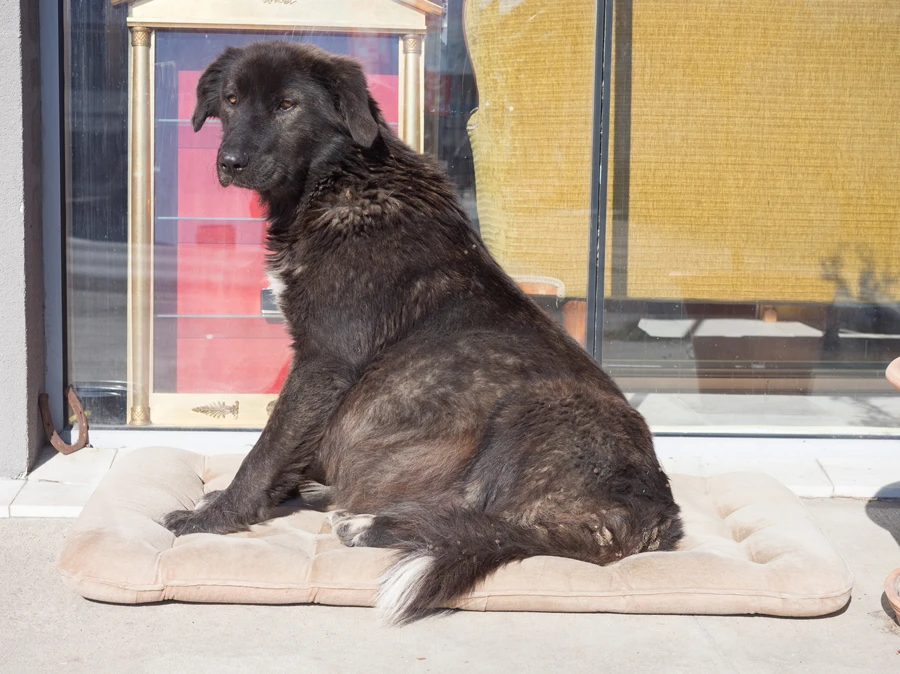
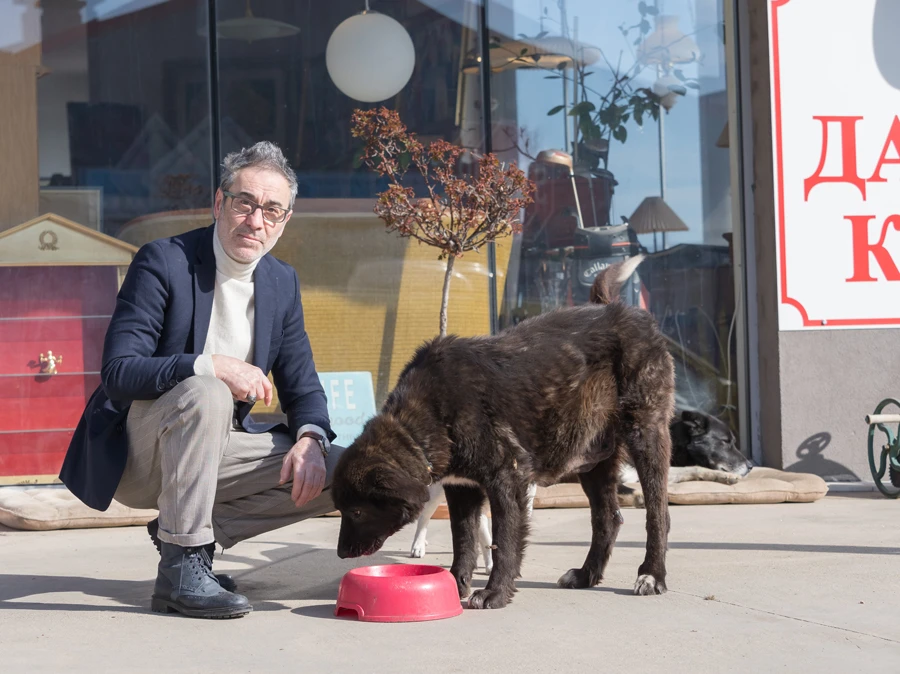
Part of a small pack loitering near an antique shop in Gotse Delchev, Ophelia is lucky to have someone look after her daily. The shop owner feeds her and gives her daily medication, necessary because last autumn we diagnosed the dog with dirofilariasis – or heartworm disease.
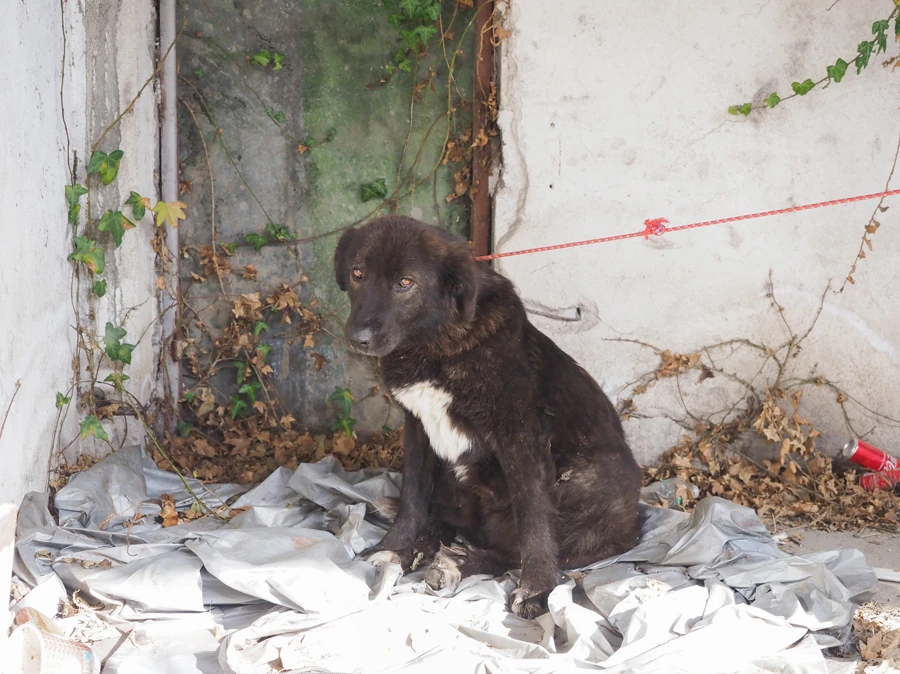
However, six months after our first meeting, Ophelia’s human friend calls us, concerned that the dog hasn’t been around lately and before she disappeared, she seemed unwell. Thankfully, after a wide search, we find her in an abandoned building, hardly able to move.
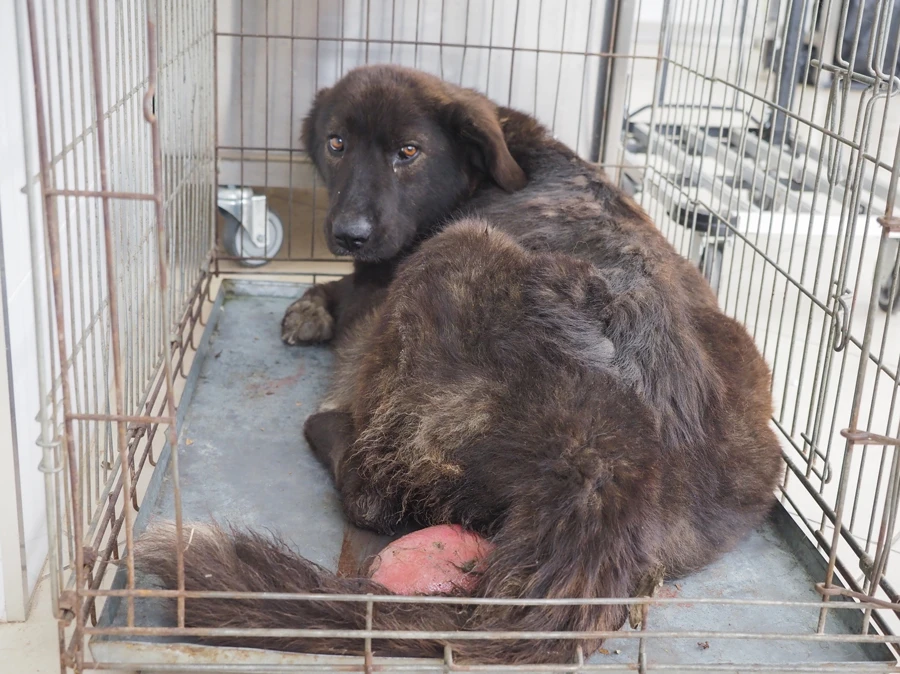
We carry the dog to our clinic, where we can take care of her. We didn’t spay Ophelia because there is danger her heart wouldn’t survive the operation. Large, unspayed female dogs sometimes suffer from a vaginal prolapse due to the high levels of estrogen during heat. This is Ophelia’s case.
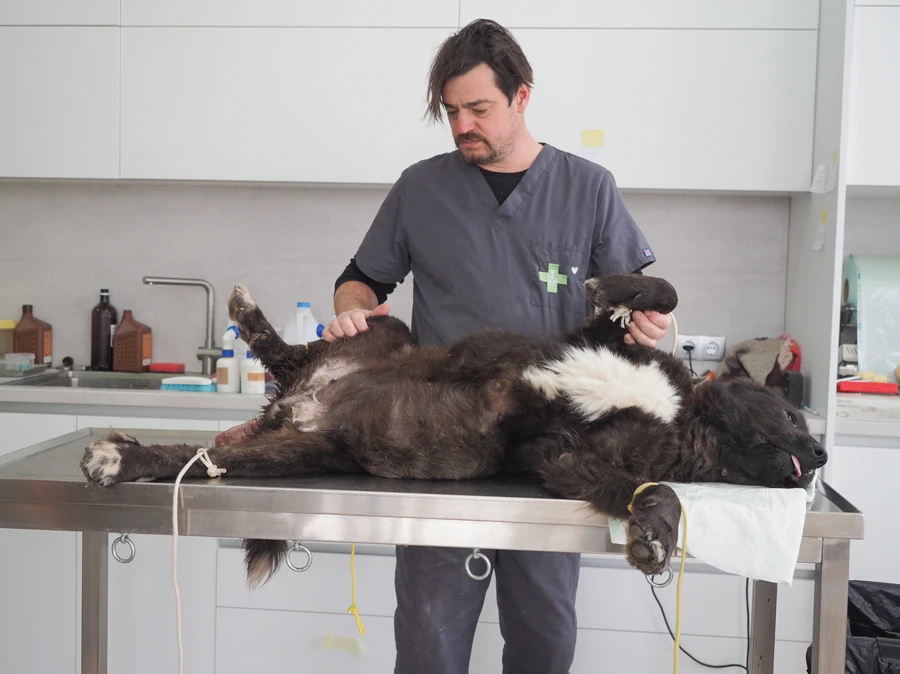
Despite the risks of surgery, it cannot be avoided. We hope the months long treatment against heartworm has made her stronger.
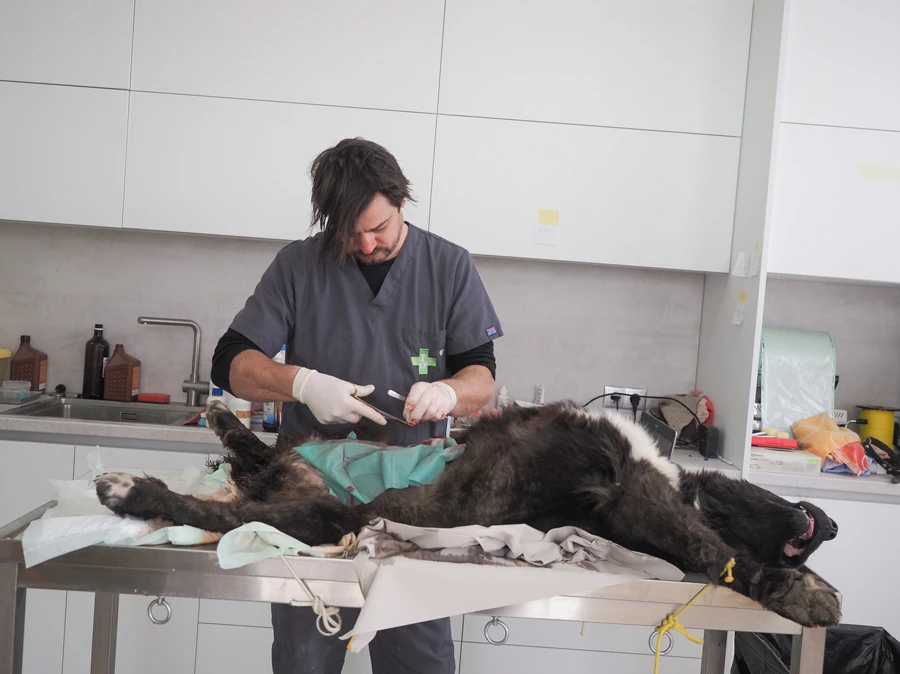
The procedure is complicated – we spay the animal, return the vaginal tissue back in place and deal with floods of retained water once we open her up – a common symptom of heartworm disease.
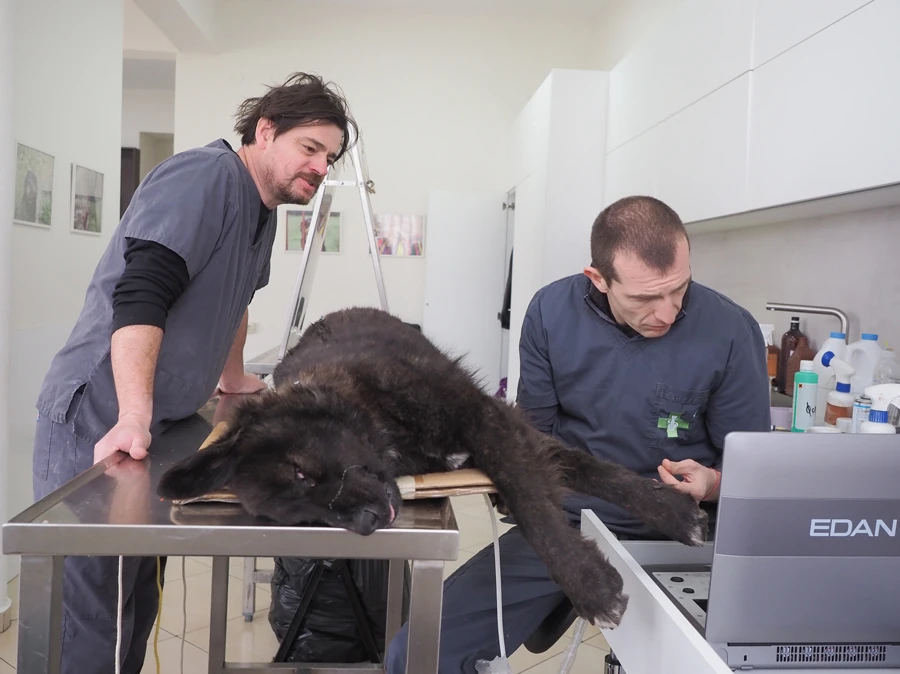
It is a successful surgery. Now it is time to scan the heart and check the progression of her pre-existing condition.
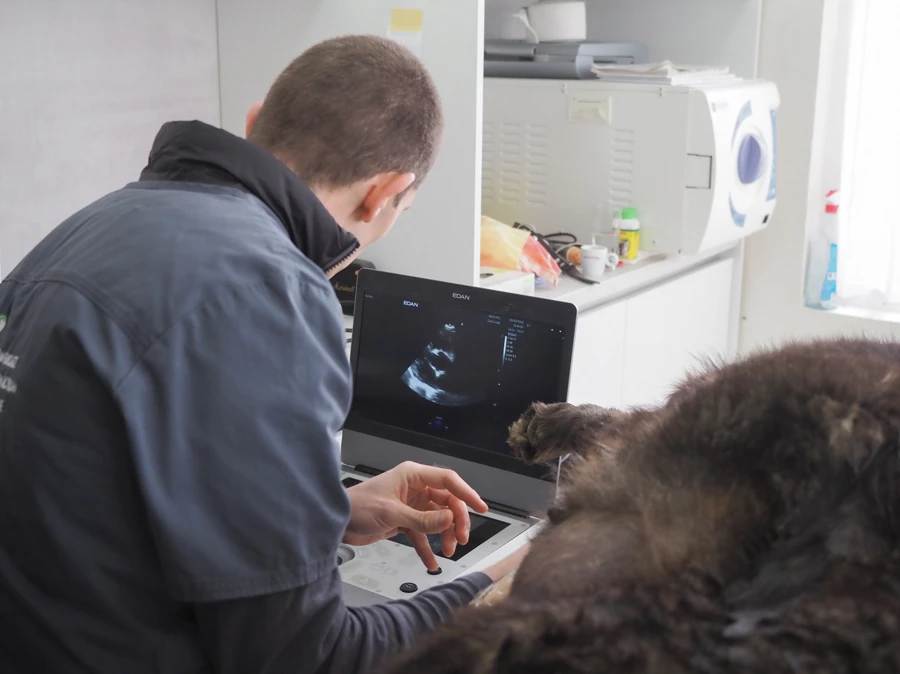
We see that there is a need for a new scheme of treatment and, in addition to the medication against dirofilariasis, we prescribe diuretics.
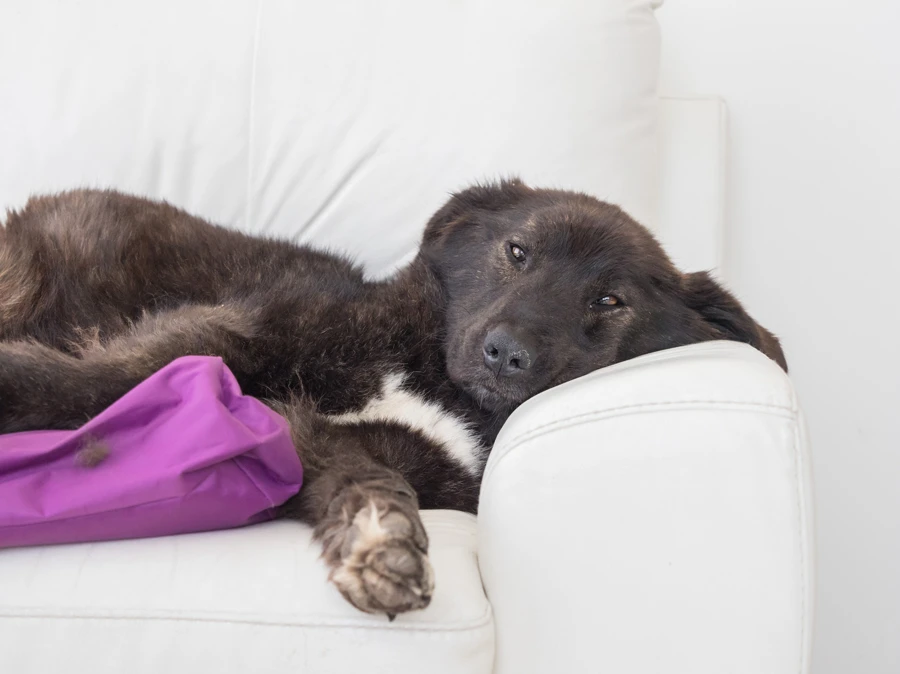
Ophelia spends ten days under observation with us in the clinic, where she can recover from surgery, feeling safe and being looked after.
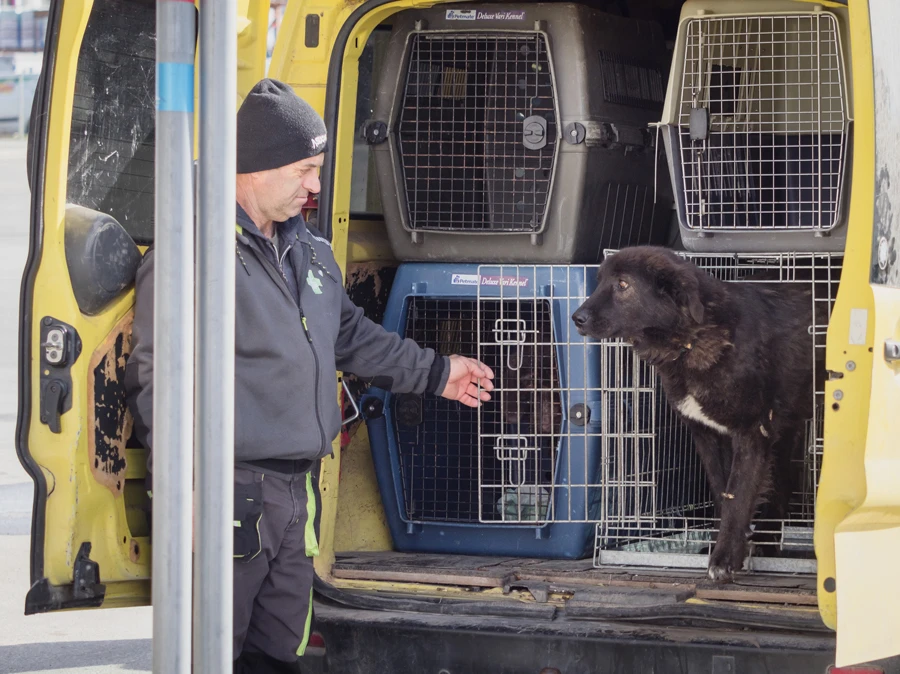
Despite the care and comforts she enjoys with us, Ophelia is impatient and excited to go back to her home turf.
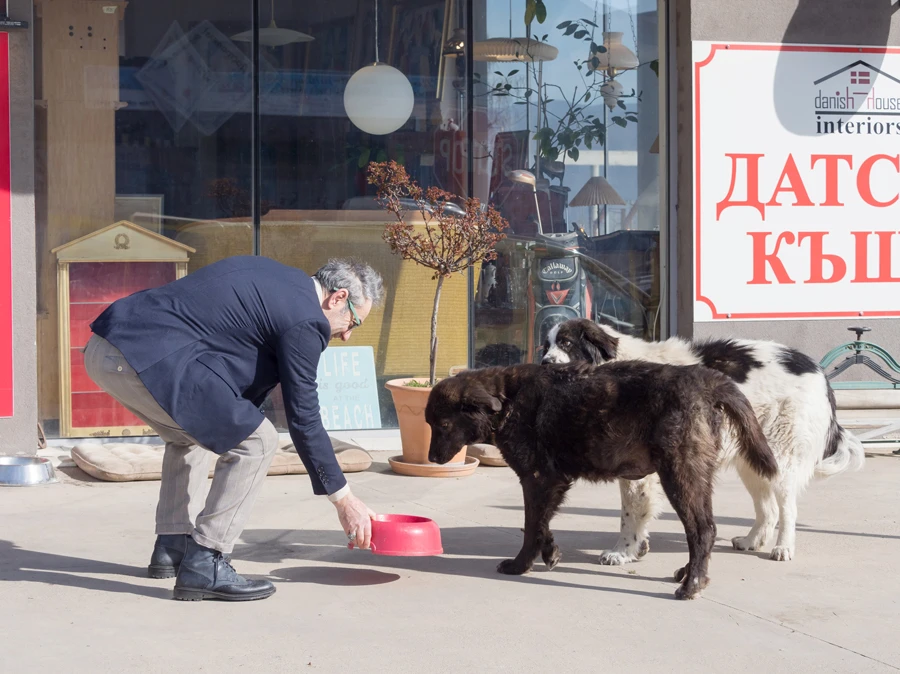
Ophelia is happy to be back in her wellknown environment and the shop owner will take care to give her the medication for her heart disease.
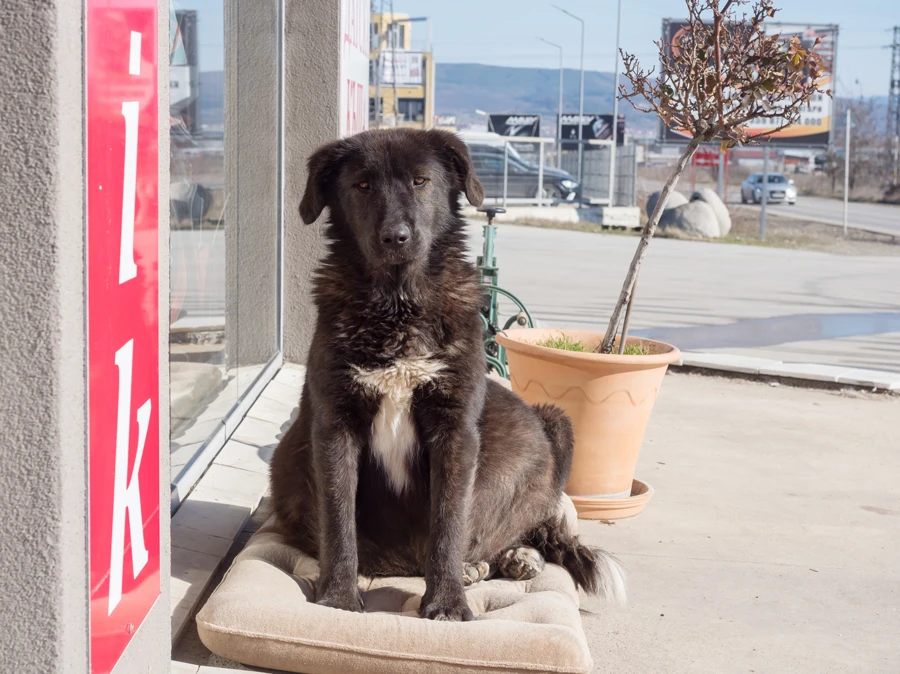
Without our intervention, Ophelia would not be standing at her favourite spot anymore.